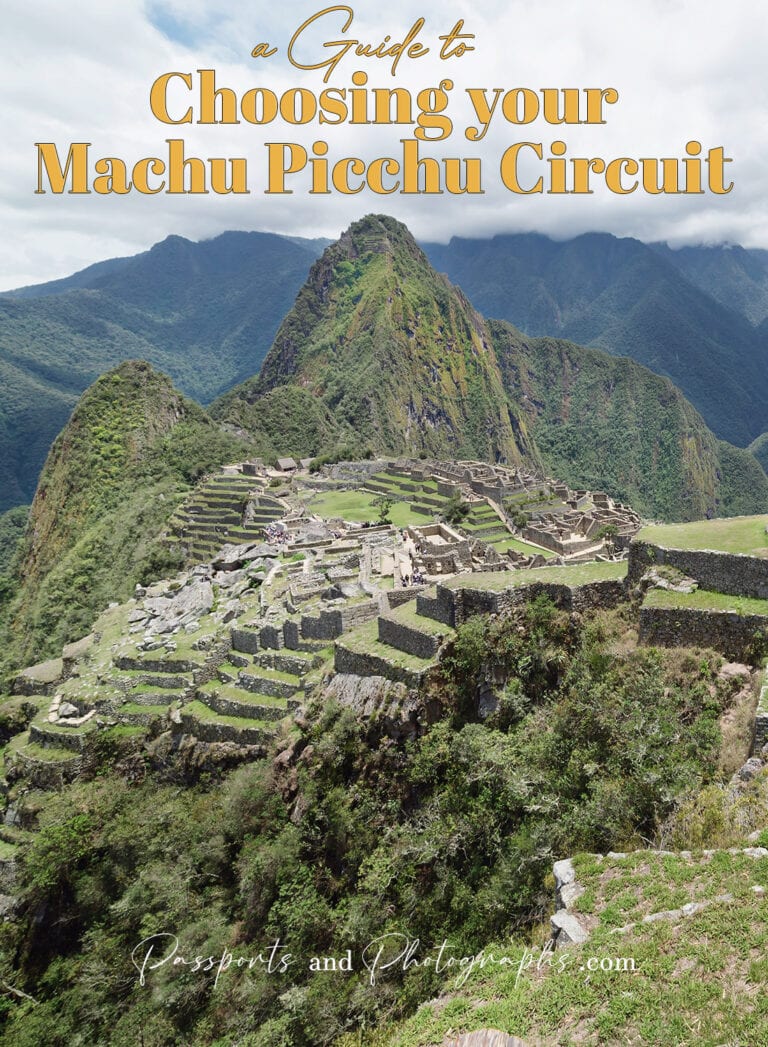
If you’re heading to Peru, likely to visit Machu Picchu, chances are good that you’ll be traveling through Cusco. At one time, Cusco was the capital of the Incan civilization. Today, it’s known as the gateway to Machu Picchu, because nearly everyone traveling there will inevitably pass through Cusco.
Just in case you’re wondering if Cusco is worth visiting, the answer is 1000% YES. To prove that, I’m going to share with you all of the best things to do in Cusco. And no, these aren’t all the things but it’s a pretty extensive list of things to do and see in Cusco that will keep you busy during your time there.
If someone were to ask me where I’d travel to if I could only travel to one place for the rest of my life, it would be Peru. More specifically, Cusco Peru. The first time I traveled to Peru, my goal was to see Machu Picchu. I knew nothing about the city of Cusco, other than you had to fly there to get to Machu Picchu. Ummmm, why didn’t anyone tell me about this amazing place!?!?
I immediately realized that I completly underestimated this town and made a mental note to return to Cusco one day. Ten years later we finally made it back for a longer stay, armed with a very long list of Cusco sites to see. And yes, I will probably go back again.
Cusco sits high in the Andes Mountains filled with adorable alleys, colorful decor, and cobblestone streets that date back hundreds of years. But under the surface, there’s so much more to Cusco. From historical Incan ruins to cultural museums to delicious Peruvian food. Trust me, don’t think you can get away with just spending 1-2 nights in Cusco.
In this guide, I’ll share where you should stay, must-know Cusco tips, and all of the top things to do in Cusco Peru.
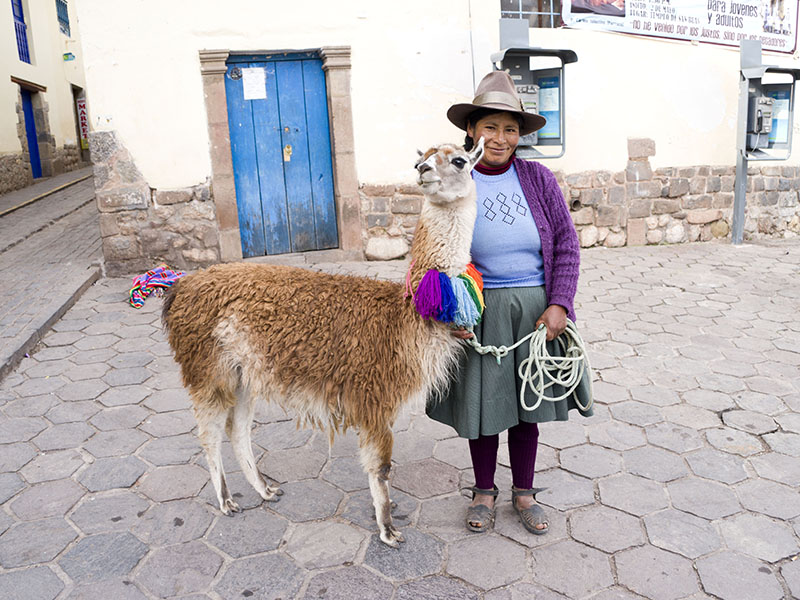
Quick Guide to Cusco Peru
Best time to visit: June & July is the perfect time to visit Cusco. You’re just out of the rainy season and winter is just beginning so the temperatures are perfect.
How long to stay:
I recommend staying between 3-5 days. You can even break up the time by staying 2 days before heading to Machu Picchu and then 2-3 days after Machu Picchu.
Favorite things to do in Cusco: The Sacsayhuaman Ruins is a must-see site and is just a 30 minute walk from the main square. The San Blas area has the prettiest alleys in Cusco. I highly recommend visiting Qorikancha, a museum that was once the most sacred temple of the Inca civilization.
Getting there: It’s just a 1.5 hour flight from Lima and costs between $100-$180 roundtrip. Your other option is a 24 hour bus ride that costs between $30-$60 one way. Tough choice, huh? Ummm, not really.
Altitude at Cusco Peru: Cusco sits at an elevation of around 11,150 feet, or 3400 meters. You might experience altitude sickness so take it easy the first day, drink lots of water, and don’t over-do it.
Where to stay: The main square in Cusco is the Plaza de Armas and almost everything is within walking distance from there. There’s dozens of hotels & hostels as well as restaurants in the area. We stayed just a short walk from there at the Hommam Boutique Hostal as well as the Amaru Hostal.
Map of things to see in Cusco
Before we get to the list of things to do and see in Cusco, here’s a google map that shows the locations of all the Cusco sites on this list. The map will give you a feel of where everything is and you can save it to use while you’re there!
Things to do in Cusco
You’ll find a lot of churches and museums in Cusco and while they do seem to run together, it’s definitely worth visiting a few of them and learning more about the history and culture of the Incan Civilization and Cusco. Don’t worry…I’ve mixed in some funner things to do in Cusco too!
1. Qorikancha
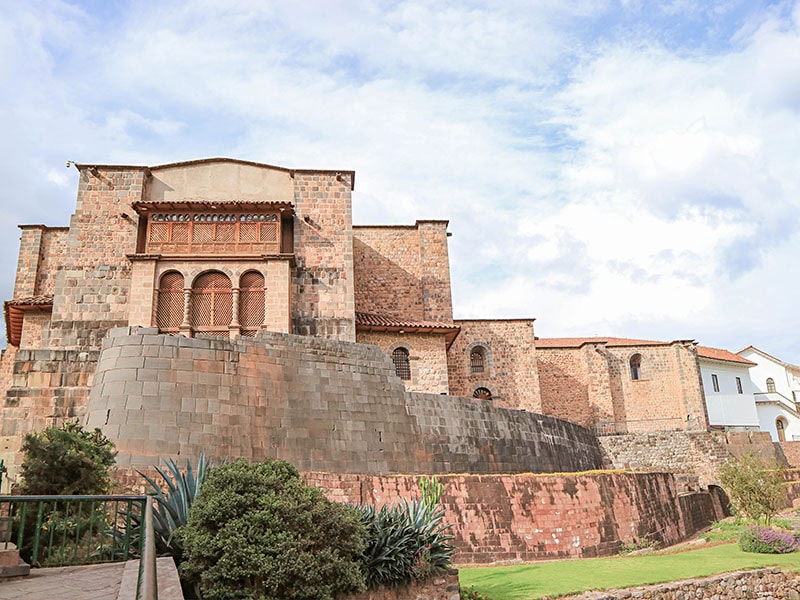
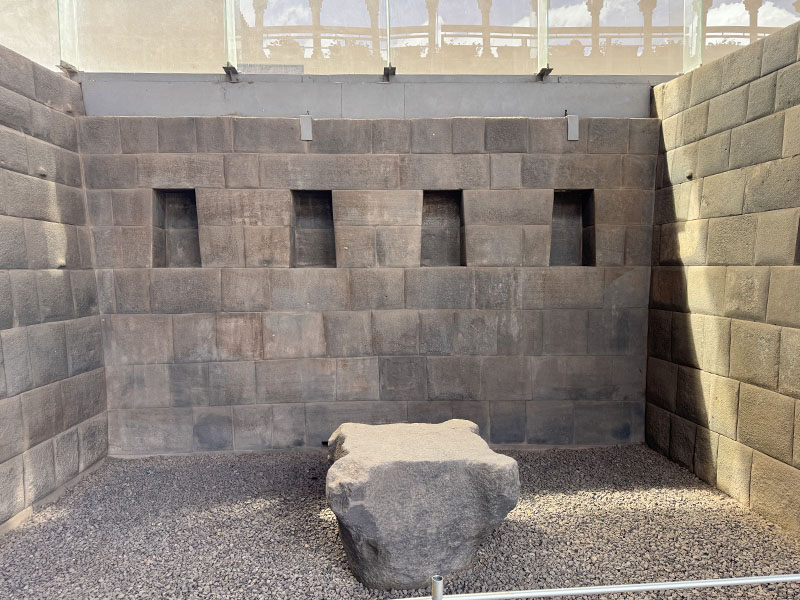
Considered the most sacred temple of the Inca Empire, Qorikancha (also spelled Coricancha) was the center of the Inca Civilization and was dedicated to Inti, the sun god. At its height, parts of the temple were covered in gold, which the Spanish took in their conquest.
The gold is long gone, but what makes Qorikancha worth visiting today is the incredible Inca stonework that remains. The large blocks of stone fit together so precisely that you can barely see the joints between them, and the curved walls are especially impressive.
After the Spanish conquest, the Church and Convent of Santo Domingo were constructed directly over the Inca temple. Today, you get and unusal mix of Inca and Spanish colonial architecture in the same complex.
Give yourself time to walk through the former temple rooms and courtyards and see just how sophisticated Inca engineering and masonry really were.
2. Church and Convent of Santo Domingo of Guzman
The Church and Convent of Santo Domingo is one of Cusco’s best examples of how Spanish colonial architecture was literally built on top of the Inca Empire. The Spanish constructed the church over Qorikancha, the Incas’ sacred Temple of the Sun, incorporating surviving Inca walls into the new religious complex.
As you walk through the site, you’ll see colonial courtyards, religious artwork and Spanish architecture alongside sections of exceptionally precise Inca masonry. The contrast between the two styles is what makes this complex so interesting.
You’ll normally experience Santo Domingo and Qorikancha as part of the same visit, so I wouldn’t plan these as two separate sightseeing stops. Together they provide one of the clearest examples in Cusco of the dramatic changes that followed the Spanish conquest.
3. Plaza de Armas
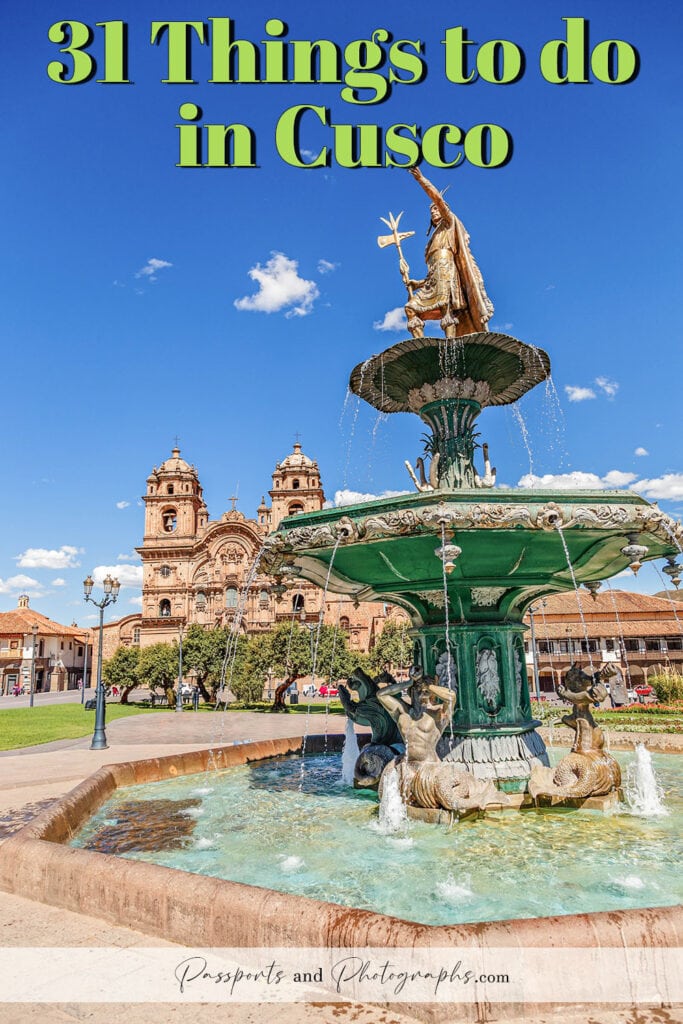
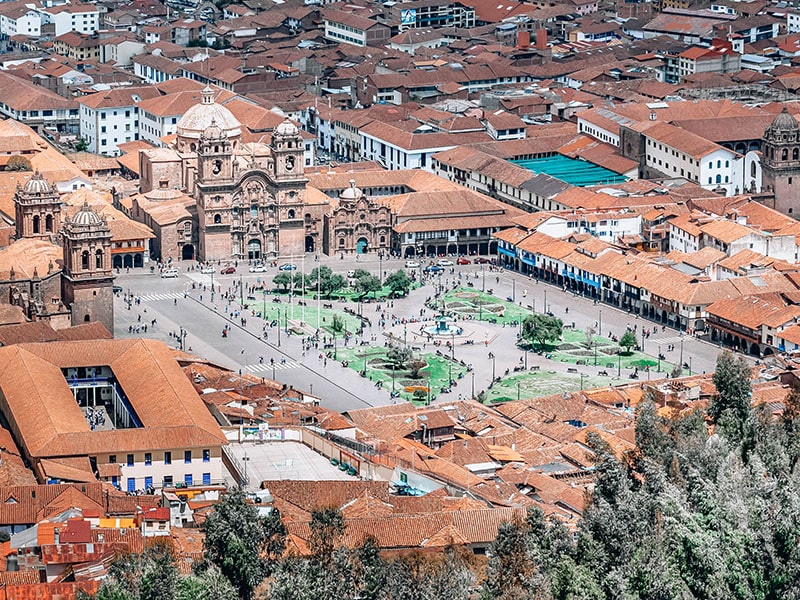
Cusco’s Plaza de Armas is the heart of the historic center and somewhere you’ll probably pass through multiple times during your stay. Surrounded by colonial arcades, restaurants, shops and some of the city’s most important churches, it’s a good place to start exploring Cusco on foot.
The plaza occupies part of what was an important ceremonial area during the Inca period, although its appearance changed significantly after the Spanish conquest. Today, the Cusco Cathedral and Church of the Society of Jesus dominate the square.
It’s worth seeing the plaza at different times of day. Mornings tend to be quieter, while evenings bring more people out and the illuminated churches give the square an entirely different feel. There are plenty of benches if you need a rest from the hills or just want to sit for a while and do some people watching.
4. Church of the Society of Jesus
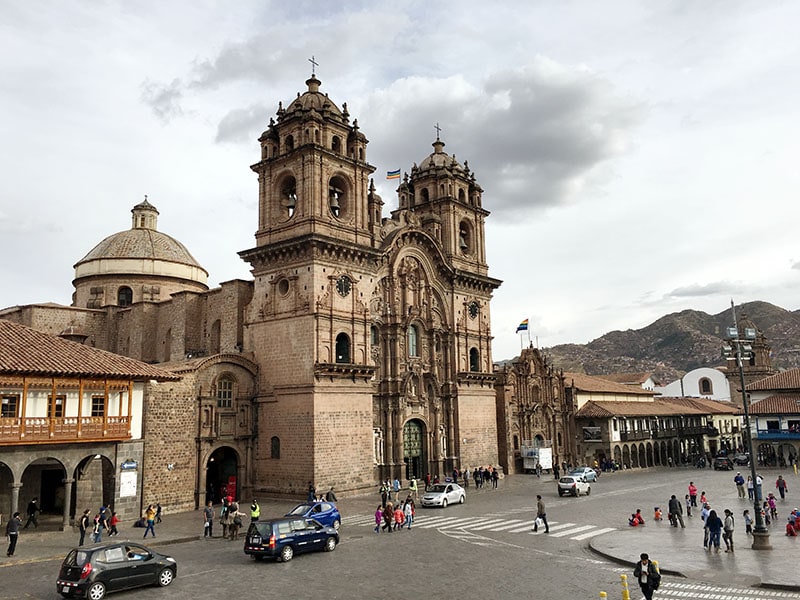
The Church of the Society of Jesus, commonly called Iglesia de la Compañía de Jesús, is the grand Jesuit church sitting directly on the Plaza de Armas. Its ornate Baroque façade makes it one of the most recognizable buildings in central Cusco.
The church was constructed on the site of an important Inca palace and was rebuilt after the devastating earthquake of 1650. Inside, you’ll find an enormous gilded main altar, carved woodwork and a collection of colonial religious paintings.
Don’t just admire this church from across the plaza. The elaborate interior is well worth seeing, particularly if you’re interested in colonial art and architecture. The church’s location also makes it an easy addition while exploring the Plaza de Armas.
5. Cusco Cathedral
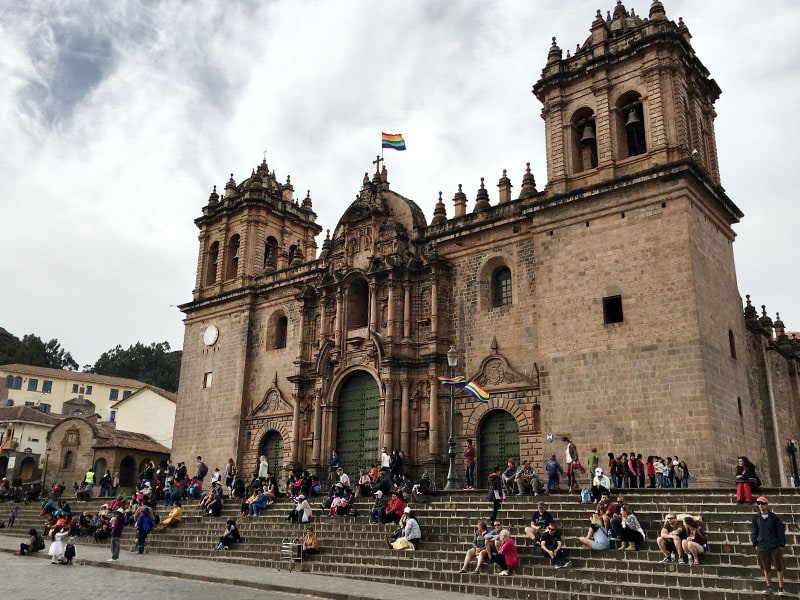
Sitting prominently on the Plaza de Armas, Cusco Cathedral is one of the city’s most important colonial buildings and is much more interesting inside. Construction began in the 16th century and took nearly 100 years to complete, with stones from the nearby Inca site of Sacsayhuamán reportedly used in its construction.
Inside, you’ll find elaborate chapels, carved wooden choir stalls, silverwork and an impressive collection of paintings from the Cusco School of Art. One of the most famous is a painting of the Last Supper that gives the biblical scene a distinctly Peruvian twist—the meal includes a roasted guinea pig, or cuy, sitting right in the middle of the table.
The cathedral complex actually includes several connected religious buildings, so there’s more to see than you might expect. Give yourself around an hour if you want to look at the artwork and chapels rather than simply walking through. I’d put this church high on the list of things to do in Cusco.
6. Regional Historical Museum of Cusco
Housed inside the former home of Inca Garcilaso de la Vega, the Regional Historical Museum is a good place to get some historical context for everything else you’ll see around Cusco.
The exhibits cover a broad stretch of the region’s history, from prehistoric cultures and the Inca Empire through the Spanish colonial period and beyond. You’ll see archaeological artifacts, ceramics, paintings and other objects that help explain how Cusco developed over the centuries.
The museum itself isn’t enormous, which makes it manageable without requiring half a day, and the historic colonial building is interesting in its own right. This is a particularly useful stop early in your visit if you’d like to understand a little more about the places you’ll be exploring later.
7. San Pedro Market
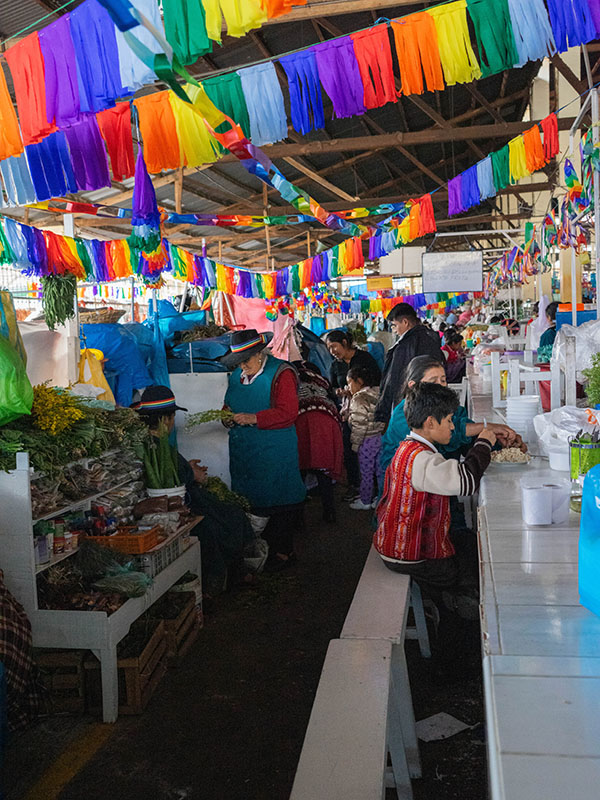
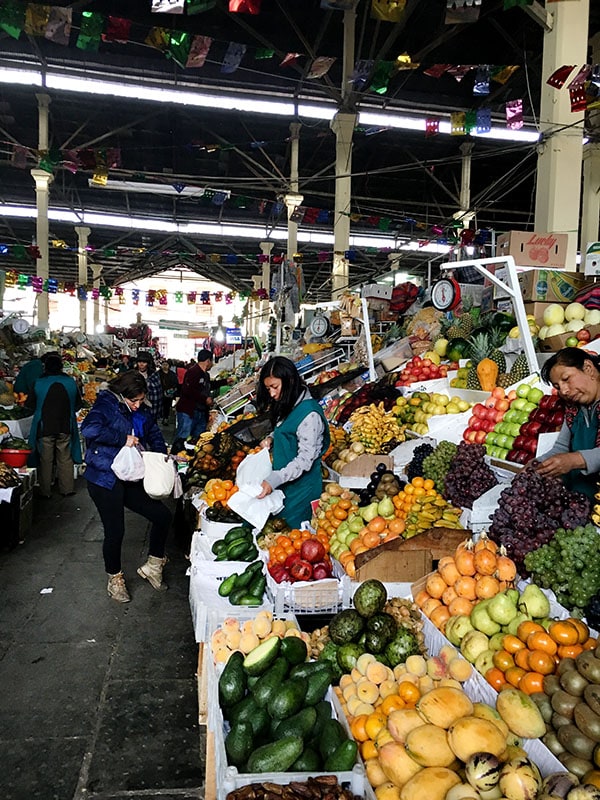
The San Pedro Market is just a short walk from the Plaza de Armas and is one of the best places in Cusco to get a glimpse of everyday local life. It’s not primarily a tourist sight but a working market where locals come to shop for groceries or to eat breakfast or lunch. The market has been around for 101 years now and has more than 1000 merchants.
Inside you’ll find the market divided into sections, with similar goods grouped together. You’ll find fruits and vegetables, cheeses, breads, spices, coca leaves, meat, and more. There are rows of fresh juice stands and small food counters where you can eat an inexpensive Peruvian meal.
Be warned: you will likely see things you’ve never seen before, especially in the meat area, which makes the San Pedro Market really interesting. This is how the people in Cusco actually shop and eat.
8. The Archbishop’s Palace Museum
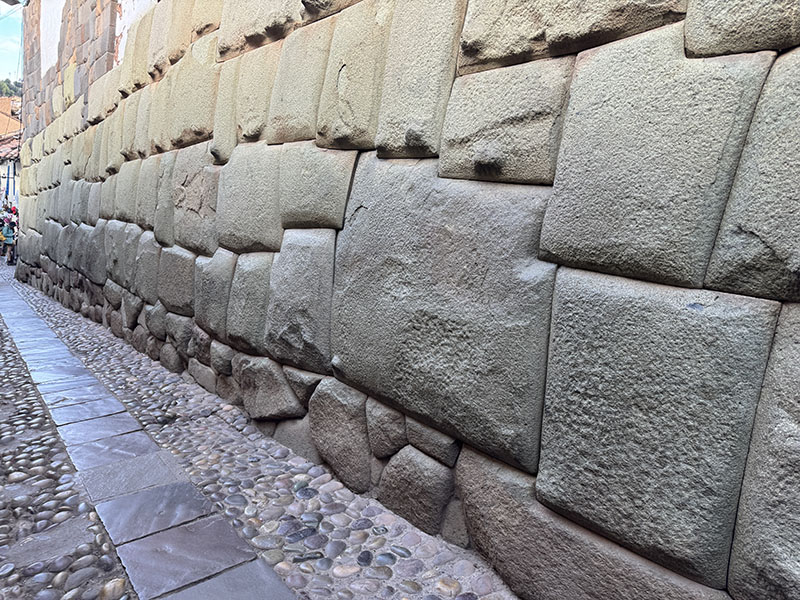
The Archbishop’s Palace Museum sits along Calle Hatunrumiyoc, one of Cusco’s most famous streets just off of Plaza de Armas. Even before you go inside, take a close look at the enormous Inca stone wall running alongside the building. This is where you’ll find Cusco’s famous Twelve-Angled Stone, one of the city’s best-known examples of precision Inca masonry.
Inside the palace is the Museum of Religious Art, which displays colonial paintings, religious sculptures, furniture and other works associated with Cusco’s Catholic history. The building itself is also worth seeing, with nice courtyards and colonial architectural details.
Even if religious art isn’t normally high on your sightseeing list, the combination of the historic building, artwork and impressive Inca stonework outside makes this an easy stop while walking through central Cusco.
9. Twelve-Angled Stone
Just outside the Archbishop’s Palace Museum is a wall of Inca Stone where you’ll find the famous Twelve-Angled Stone. It’s mixed in with many other large stones but you won’t have too much trouble finding it – just look for the crowd of people getting a photo with it.
This won’t take up too much of your time but it’s nearly impossible to miss and one of the top things to see in Cusco. Can you spot it below in the photo?
10. Museo Machu Picchu Casa Concha
If you’re heading to Machu Picchu—and let’s face it, that’s probably why most travelers are in Cusco in the first place—Casa Concha is worth visiting either before or after your trip.
The museum is housed inside a beautiful colonial mansion built over the remains of an Inca residence. Its collection includes artifacts excavated at Machu Picchu during Hiram Bingham’s expeditions in the early 20th century, many of which were eventually returned to Peru by Yale University.
You’ll see ceramics, tools, metal objects and other archaeological finds while learning more about Machu Picchu and the people who lived there. Visiting beforehand can give you a better understanding of the site, while visiting afterward lets you put the objects into context after seeing Machu Picchu for yourself.
Don’t overlook the building either. The colonial courtyards and surviving Inca elements make Casa Concha interesting beyond the museum collection.
11. Museo y Catacumbas Del Convento San Francisco
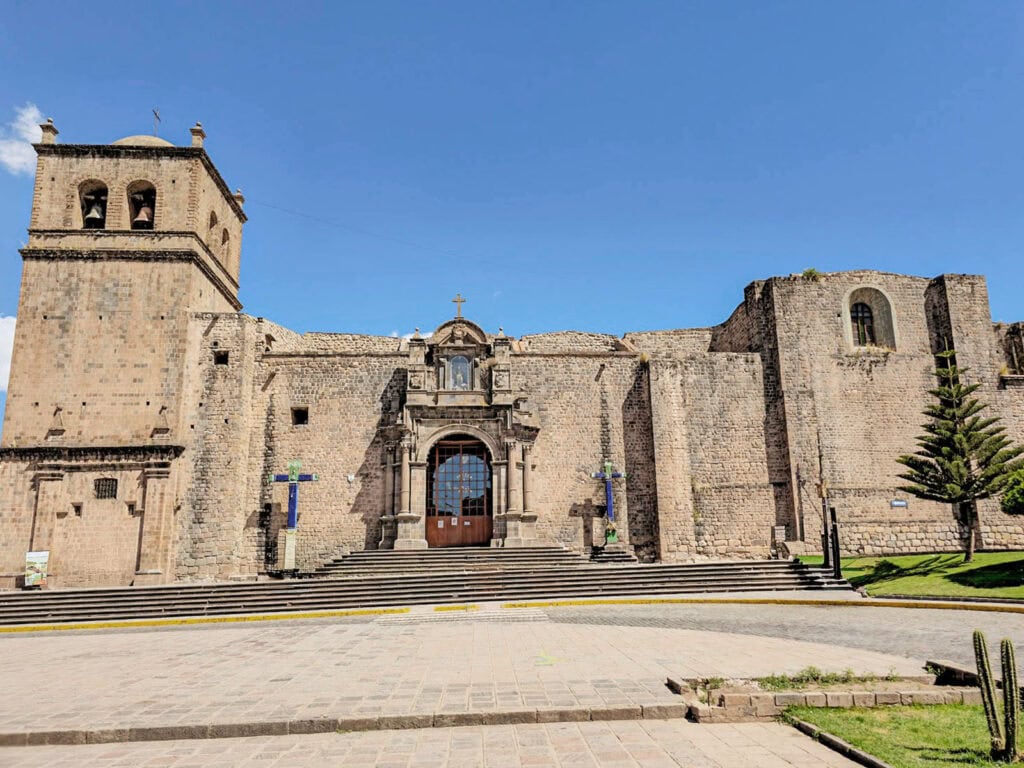
The San Francisco Church and Convent is a little removed from the busiest part of the historic center, which means it often receives fewer visitors than Cusco’s headline attractions.
Inside the complex you’ll find cloisters, religious artwork and an impressive collection of colonial-era paintings. One of its most unusual features is the catacombs beneath the church, where human bones can still be seen. They’re nowhere near as extensive as the famous catacombs at the San Francisco monastery in Lima, but they add something quite different to the usual Cusco church visit.
12. Basilica Menor de la Merced
Just a few blocks from the Plaza de Armas, the Basilica Menor de la Merced is easy to overlook among Cusco’s better-known churches, but the interior is surprisingly elaborate. The church is part of the larger La Merced religious complex and dates back to the early Spanish colonial period.
Inside, expect ornate altars, carved woodwork, religious paintings and plenty of gold decoration. Like many of Cusco’s historic churches, the building you see today reflects rebuilding that took place after major earthquakes damaged earlier structures.
Even if you’re starting to reach your limit on colonial churches—and Cusco certainly has plenty of them—La Merced is worth a quick stop for its architecture and artwork.
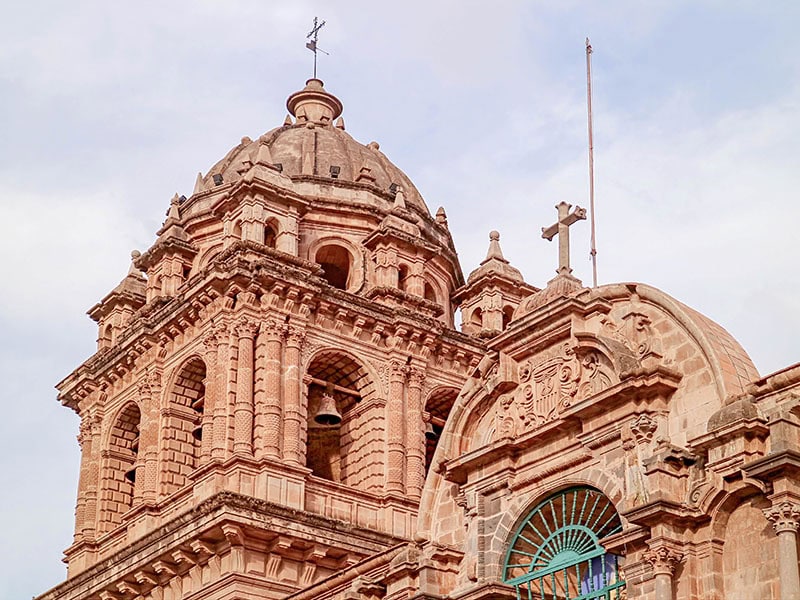
13. Templo y Convento La Merced Cusco
Next to the basilica is the Convent of La Merced, which is particularly known for its beautiful cloisters. The peaceful courtyard is surrounded by stone arches and columns and is surprisingly removed from the busy streets just outside.
One of the highlights is a large gold vessel decorated with thousands of precious stones, including pearls, diamonds and emeralds. You’ll also find religious paintings, sculptures and other objects connected to the Mercedarian order.
The convent doesn’t take a huge amount of time to visit, making it easy to add while exploring the historic center on foot. For photographers, the arcaded courtyard and repeating columns are probably the real stars here.
14. Pisco Museum
After enough churches, archaeological sites and museums, you may be ready for something that comes with a cocktail.
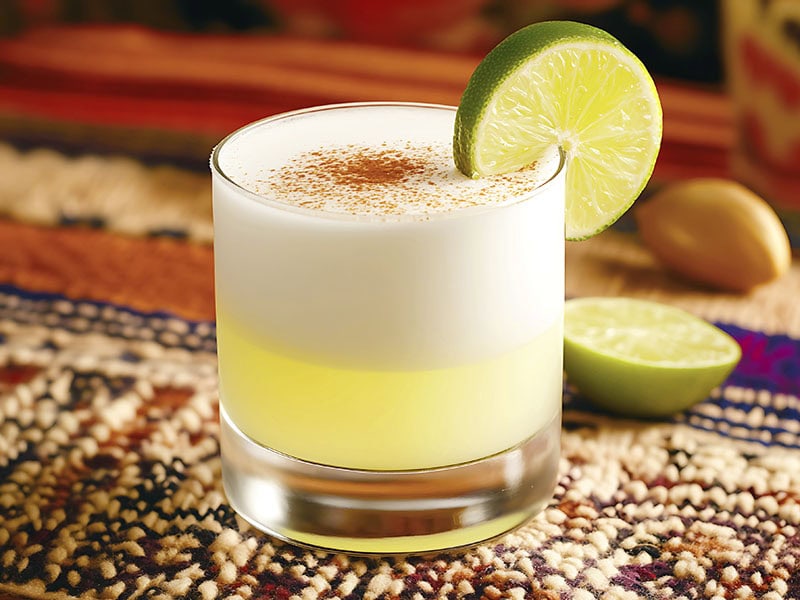
Despite the name, the Pisco Museum is more bar than traditional museum. It’s a good place to learn about Peru’s famous grape-based spirit, and the country’s national drink, while trying a classic Pisco Sour or one of the many other cocktails on the menu.
Learn about the different varieties of pisco, how it’s produced and how the flavors change depending on the grapes used. It’s particularly good as an evening stop after sightseeing around the historic center. You get a little Peruvian culture and history, but this time someone hands you a drink at the end. Much more civilized.
15. Museo de Arte Precolombino
The Museo de Arte Precolombino, usually shortened to MAP, is one of Cusco’s best museums if you’re interested in the cultures that existed in Peru before the arrival of the Spanish.
Rather than focusing only on the Incas, the collection includes objects from several ancient Peruvian cultures and spans thousands of years. You’ll see ceramics, jewelry, carved objects and pieces made from gold, silver, shell and other materials.
What sets MAP apart from some archaeological museums is the way the objects are presented. The galleries are polished and thoughtfully arranged, treating the pieces as works of art as well as archaeological artifacts.
It’s not a huge museum, so you can see it comfortably in an hour or two. If you’re interested in ancient civilizations, I’d put this fairly high on the Cusco museum list.
16. Chocolate Museum
The ChocoMuseo is another good option when you want a break from Cusco’s heavier historical attractions. The focus here is cacao and the process of turning cacao beans into chocolate.
You can learn about cacao production, sample different chocolate products and browse the shop for locally made chocolates and other cacao-based treats. The hands-on chocolate-making workshops are the main attraction, especially for anyone who likes the idea of making their own chocolate rather than simply reading signs about it.
You don’t need much time if you’re only stopping by the shop and exhibits, but plan longer if you sign up for a workshop. It’s also a handy rainy-day activity.
17. Plaza San Blas
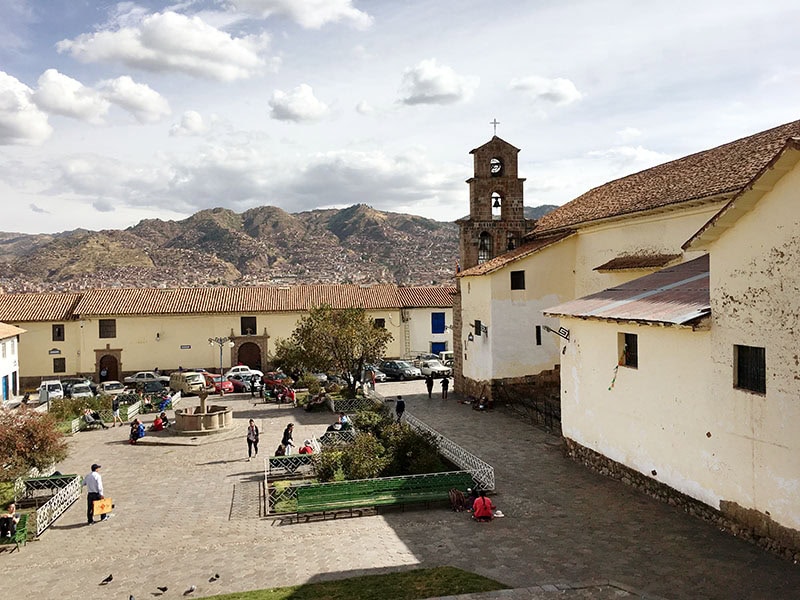
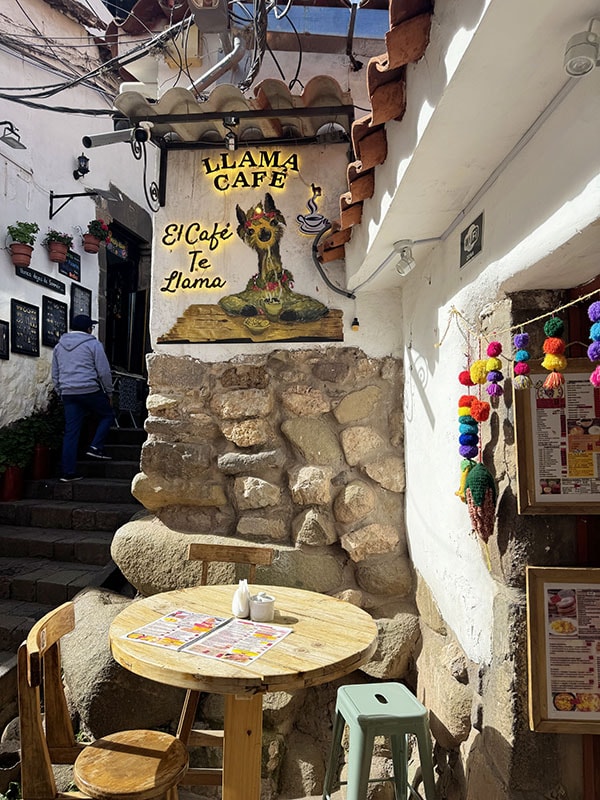
The San Blas neighborhood is one of the prettiest areas of Cusco. As you leave Plaza de Armas and walk past the Twelve Angled Stone, just keep walking and you’ll run into Plaza San Blas. It’s a small square but it’s the heart of this historic neighborhood. You’ll find cafes, workshops, galleries, and local vendors selling their wares on the street.
The San Blas neighborhood dates back to the Inca times and has been associated with artisans ever since. You’ll also find the Church of San Blas in the plaza, one of Cusco’s oldest colonial churches.
While the plaza itself is very simple, you should start your exploration of the San Blas neighborhood here. The next few sights on this list of things to do in Cusco are in the San Blas neighborhood and I’ve listed them in walking order to prevent you from having to backtrack.
18. Wander the streets of San Blas
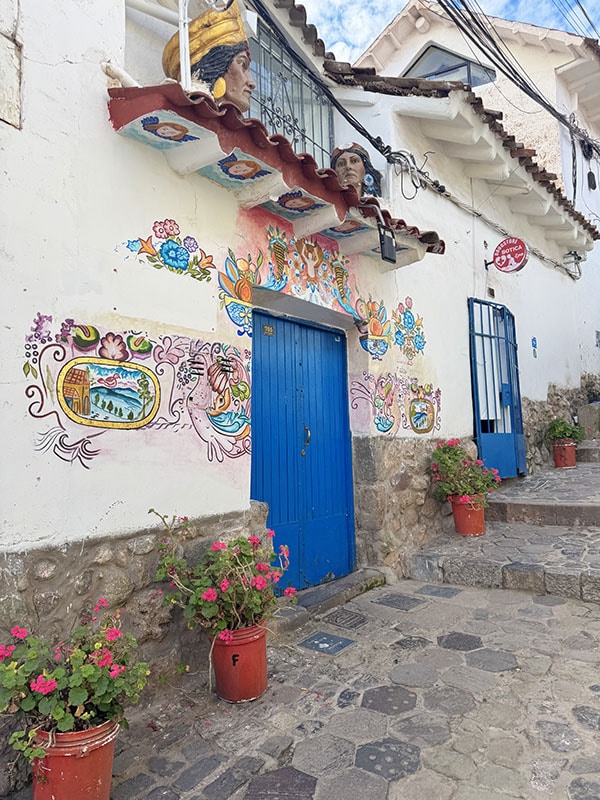
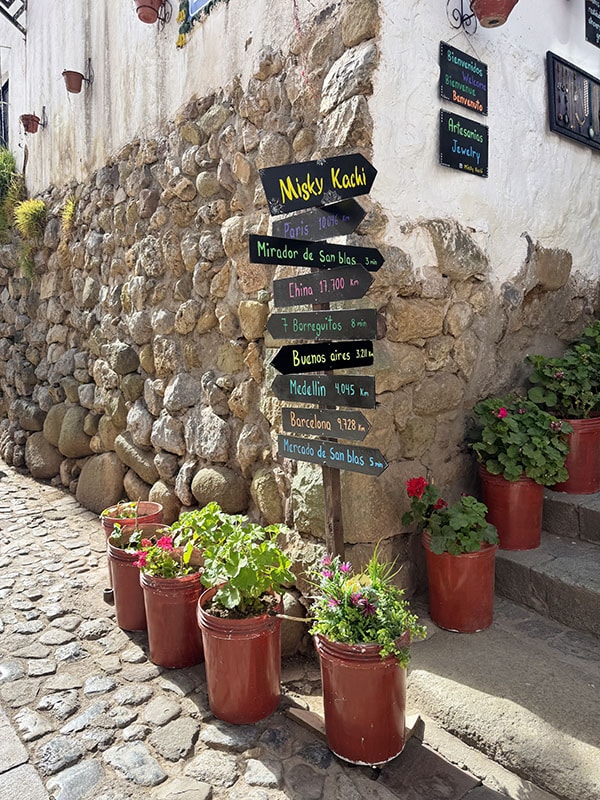
Calle Tandapata is one of the main streets that runs through Cusco’s San Blas neighborhood and it’s just above the San Blas Plaza. The street doesn’t really have a major destination, it’s more about the walk itself: cobblestones, old adobe and stone buildings, artisan workshops, cafes, and views across Cusco’s rooftops.
There’s some smaller side streets to explore as well such as Carmen Alto and Carmen Bajo. It’s a nice quiet area to wander with lots of cute alleys off of it so be sure to grab lots of photos. Seriously, it’s hard to resist!
19. Mirador San Blas
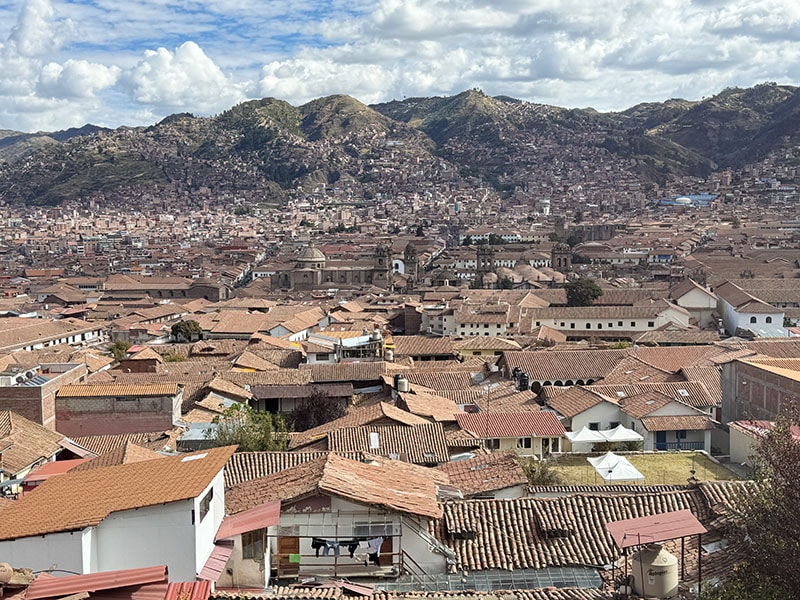
Walking along Calle Tandapata, you’ll find Calla Pasnapakana which leads to some stairs that takes you to Mirador San Blas where you’ll have great views overlooking the city. You’ll also find a fountain and some benches if you need a rest after walking up those stairs.
Sorry, I can’t stress enough how tiring the hills and stairs are in combination with the higher altitude is. Take those rests wherever you can!
20. Sapantiana Aqueduct
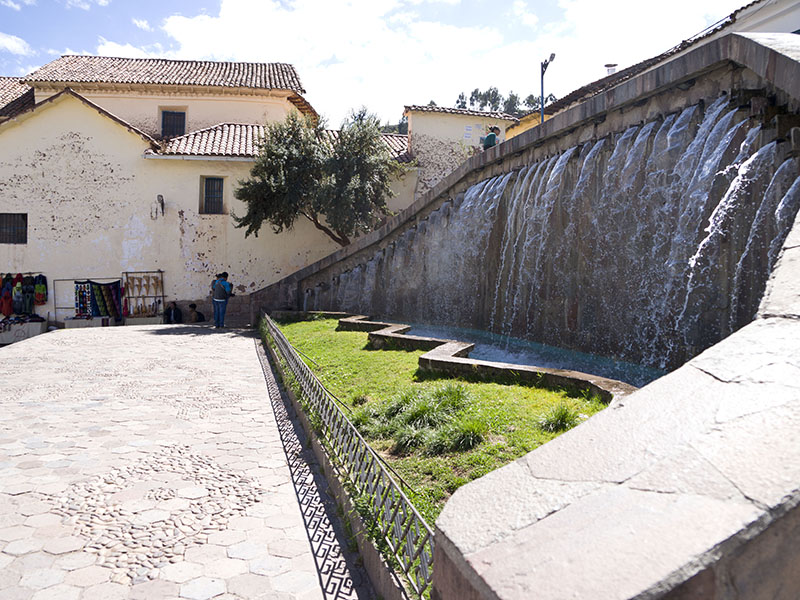
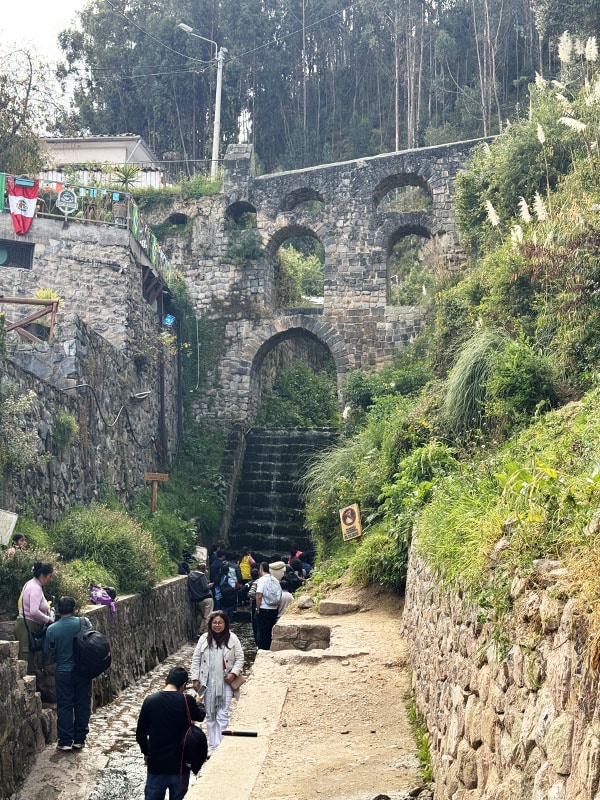
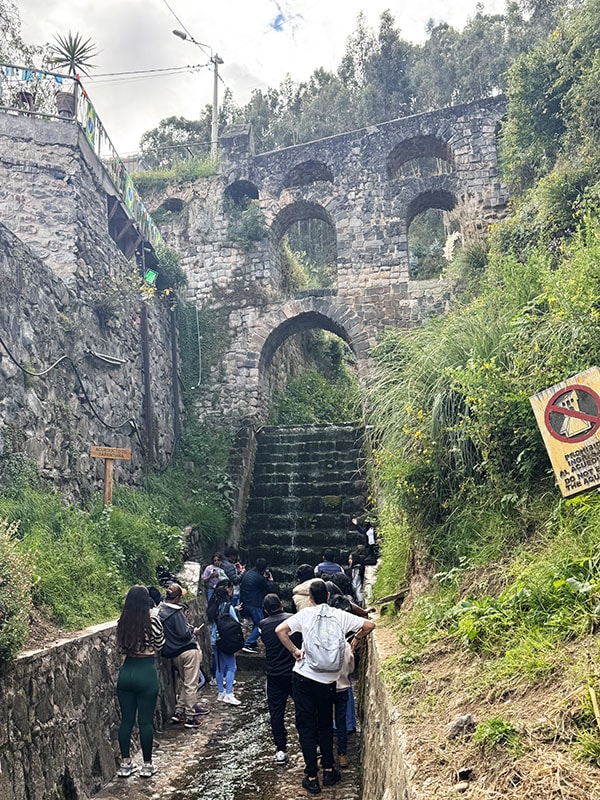
Just beyond San Blas in the neighboring San Cristóbal district, The Sapantiana Aqueduct is one of those small Cusco sights that’s easy to miss but worth seeking out if you enjoy finding places beyond the city’s major attractions. The colonial-era hydraulic structure consists of a series of stone arches built over the Saphi River.
It’s not a huge attraction—you won’t need an hour here—but the stone arches, flowing water and narrow setting make it an interesting detour while walking around this part of Cusco. It’s also very photogenic, particularly when you can catch the arches without too many people around.
Sapantiana works best as part of a walking route rather than as a destination on its own. Combine it with San Blas, the nearby streets and viewpoints for an easy break from Cusco’s churches, museums and major archaeological sites.
21. Calle Siete Borreguitos
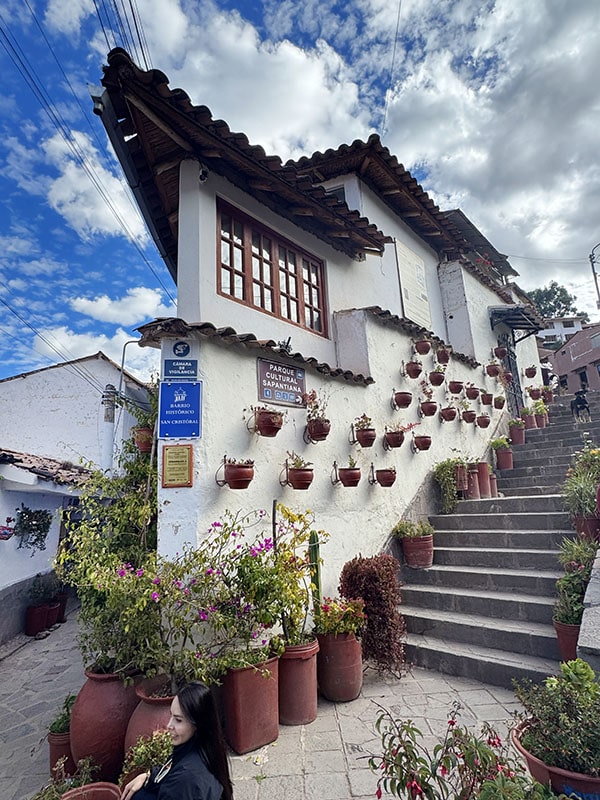
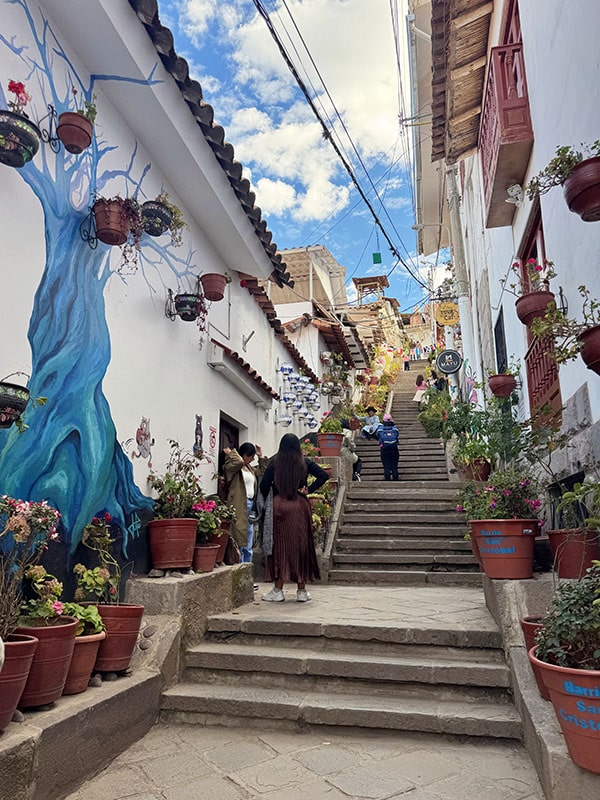
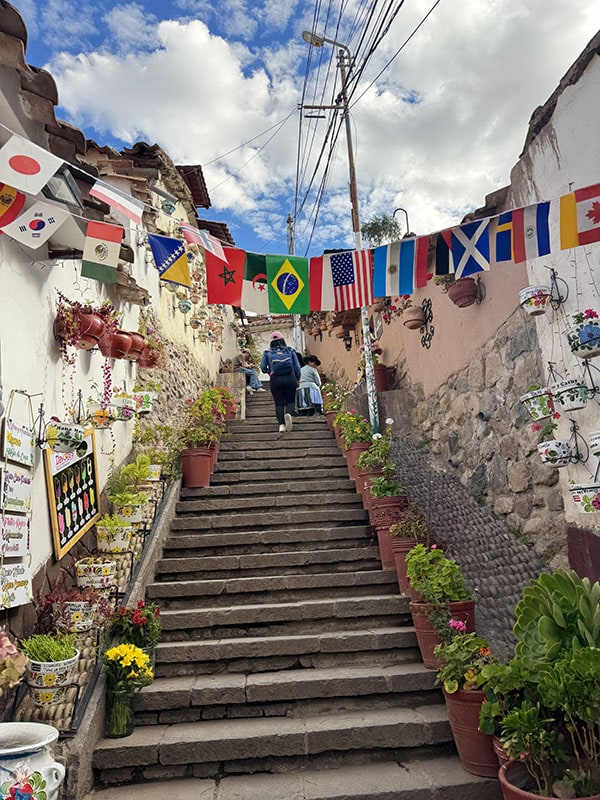
Arguably the prettiest street in Cusco, Calle Siete Borreguitos, which translates to Seven Little Lambs Street, is just around the corner from the Sapantiana Aqueduct. It’s hard to miss with the line of people waiting for their turn to take photos of themselves against the bright white walls lined with red buckets of plants and flowers.
Continue up the stairs for wall murals and more photo opportunites or pop into one of the many shops and cafes along the way.
22. Museo de Plantas Sagradas Natural Factory
Just around the corner from the top of the steps of Calle Siete Borreguitos is the Museum of Plants, which is more of a shop than a museum. It’s an interesting place that that features sacred and medicinal plants from Peru. You can grab some coffee and chocolate and even have your fortune read.
23. Parroquia de San Cristobal & Viewpoint
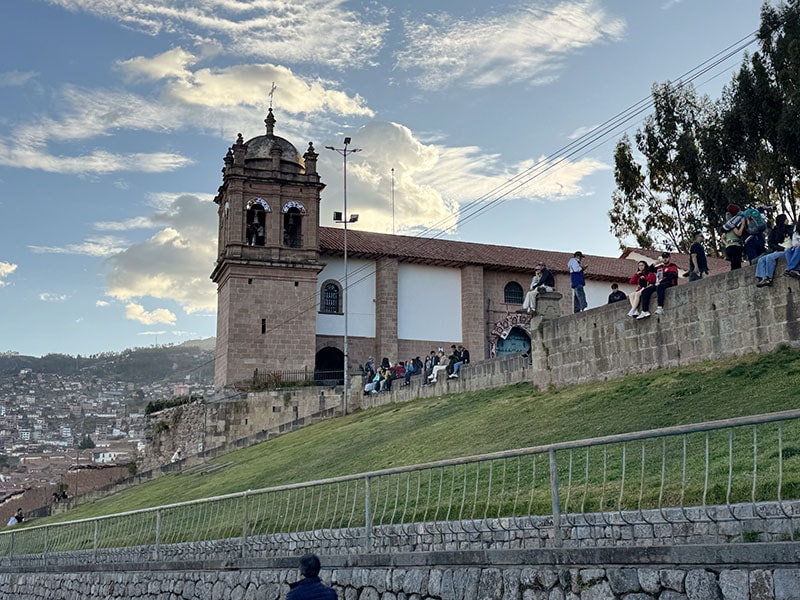
Perched on the hillside above central Cusco, the Church of San Cristóbal is worth visiting as much for its location as for the church itself.
The church dates back to the colonial period and stands in an area with strong connections to Cusco’s Inca past. Inside, you’ll find religious artwork and a relatively simple interior compared with some of the lavish churches around the Plaza de Armas.
The real bonus is the view. From the plaza outside the church, you get a fantastic look over Cusco’s terracotta rooftops with the historic center spread out below. It’s especially nice around late afternoon when the light begins to soften.
Be prepared for an uphill walk if you’re coming from the Plaza de Armas. It’s not far, but at Cusco’s elevation, stairs have a remarkable ability to make you reconsider every decision you’ve made that day.
24. Learn about Inca Astronomy at Planetarium Cusco
For a different type of attraction, the Cusco Planetarium explores Inca astronomy and the importance of the night sky in Andean culture. You’ll be learn how the Incas interpreted the sky and how they actually created constellations by connecting stars.
If the weather is clear, you’ll be able to go outside and look at the stars, planets, and other objects visible in the Southern Hemisphere. It’s a great way to connect what you’ve learned about the Incas from museums with how they understood the sky and how they used that knowledge. Plan on spending two hours at the planetarium.
25. Sacsayhuaman
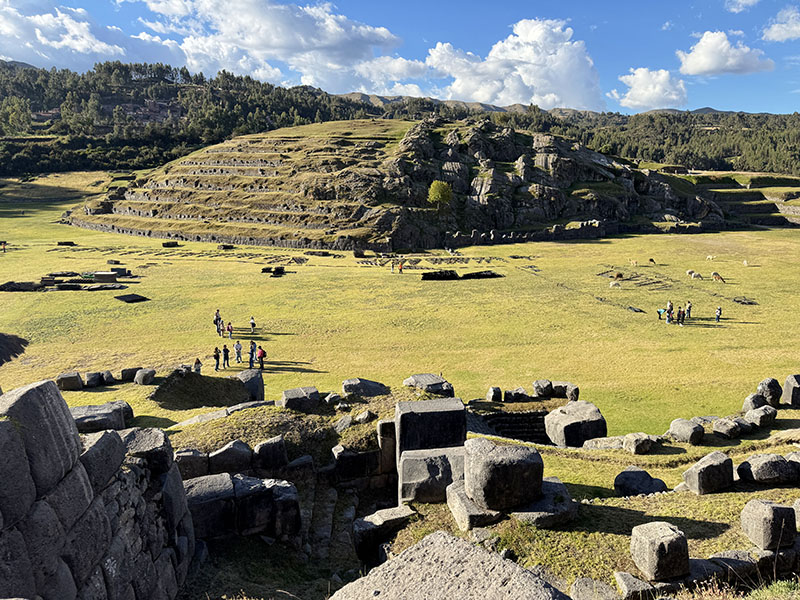
Sitting on a hill above Cusco, Sacsayhuamán is one of the most impressive Inca sites you can visit without leaving Cusco city. The enormous zigzagging stone walls were built using blocks that fit together with remarkable precision, and some of those stones weigh well over 100 tons.
The scale is difficult to appreciate until you’re standing next to them. It’s one of those places where photos don’t quite explain how large the stones actually are—or how baffling it is that they were moved and fitted together without modern machinery.
Sacsayhuamán served an important ceremonial and defensive role and was also the site of major fighting between the Spanish and the Incas following the conquest of Cusco. Today, you can walk around the massive walls, explore different sections of the archaeological site and enjoy excellent views over Cusco.
The site is uphill from the historic center, so you can walk there if you’re feeling energetic, but Cusco’s elevation makes that climb more demanding than it looks on a map. Taking a taxi up and walking back down is the considerably less heroic option. Just know, cars cannot actually drive up the main entrance so you will still be walking up the hill to enter.
26. Learn about Traditional Andean Weaving
Explore the traditional Andean textile-making process at the Traditional Textile Center of Cusco. This nonprofit organization works with ten weaving communities in the Cusco region to preserve traditional Andean weaving techniques while helphing Indigenous weavers earn an income from their work.
You’ll learn how traditional textiles are made, from preparing and spinning fibers to natural dyeing and weaving. You can even watch weavers demonstrate their techniques which is much better than just looking at the finished product.
27. Arco de Santa Ana
The Arco de Santa Ana is a historic stone archway in the Santa Ana neighborhood, uphill from Cusco’s main tourist center. It once was one of the traditional entrances into the city along an important route connecting Cusco with areas to the northwest.
Today, it’s more of a quick sightseeing stop than a major attraction. You’ll find a large stone arch spanning the street, with the surrounding neighborhood giving a glimpse of a quieter, more residential side of Cusco.
It’s worth including if you’re already exploring the Santa Ana area, but I wouldn’t necessarily make a special trip across town just to see the arch. Instead, work it into a walk through the neighborhood or combine it with nearby viewpoints and historic streets.
And yes, reaching it involves another uphill walk. Cusco apparently decided that visitors should earn their sightseeing!
28. Inka Museum
If you want to understand more about what your’e seeing at Sacsayhuaman, Qorikancha, Machu Picchu, and other sites throughout the Sacred Valley, I’d rank the Inka Museum among Cusco’s most worthwhile museums. It’s one of the best places in Cusco to learn more about the Incas and the civilizations that came before them.
The exhibits take you through thousands of years of Andean history beginning with pre-Inca cultures before moving into the rise and expansion of the Inca Empire. You’ll see pottery, textiles, weapons, ceremonial objects, and more.
It’s a great museum for a first-time visitor that helps put Cusco’s arhaeological sites into context. The museum is located close to the Plaza de Armas but be sure to bring cash because they don’t take credit cards. If you only have time for one museum and want to understand the Incas, this is the place to go.
29. Shopping in Cusco
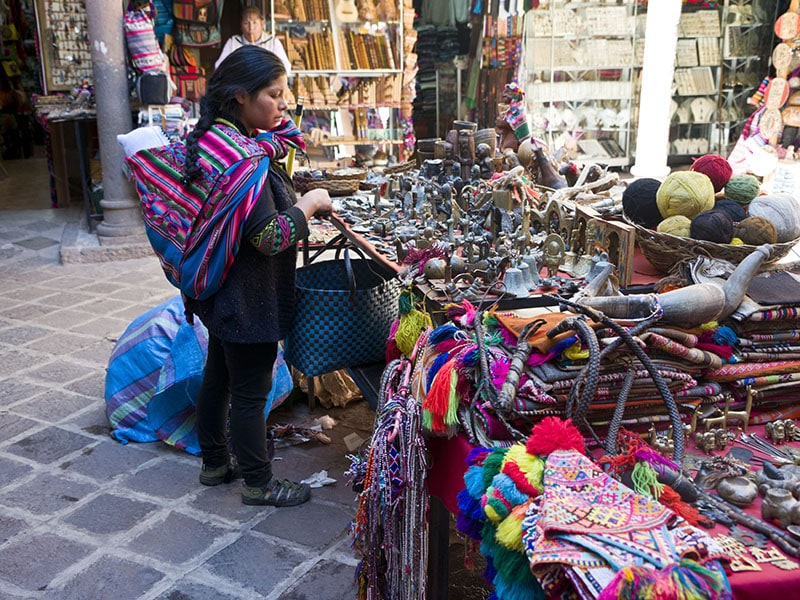
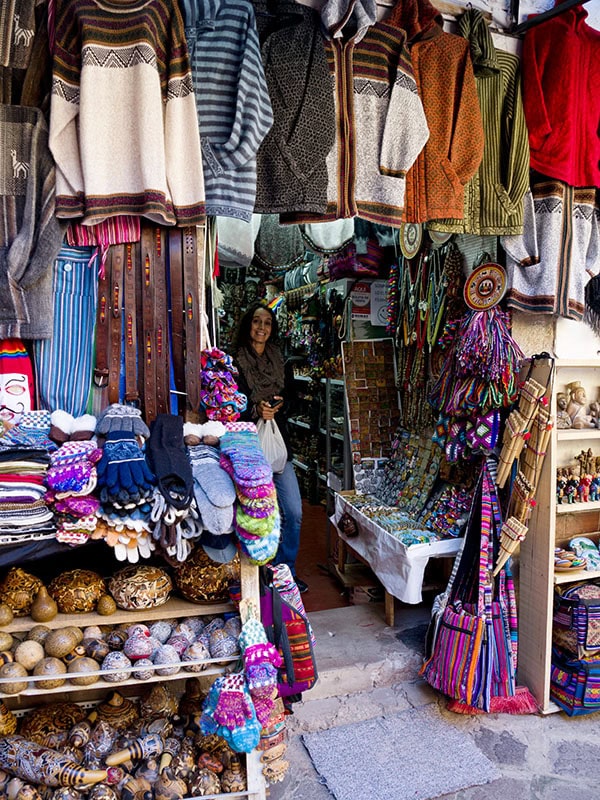
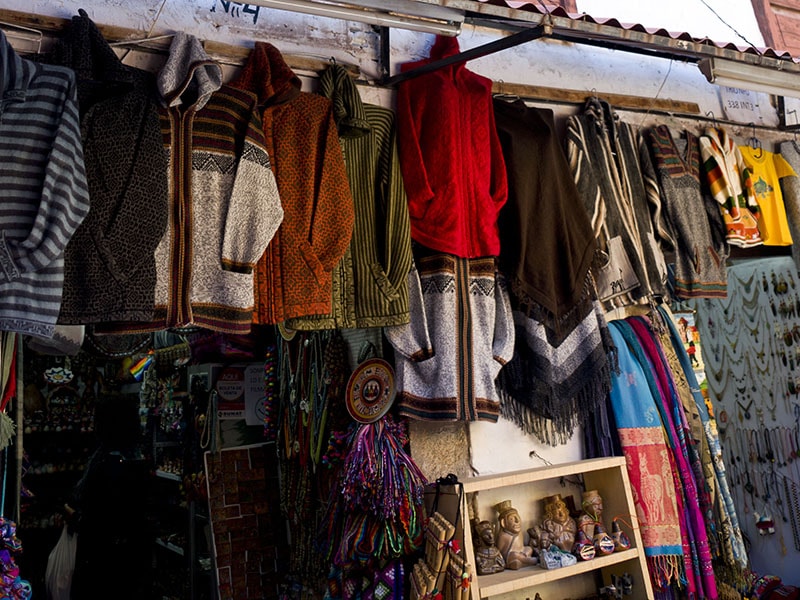
Calle Hatunrumiyoc has dozens of shops, restaurants, and massage parlors. Fair warning: you will be bombarded with women asking you over and over and over if you want a massage as you walk down this street. It’s hard to avoid though since you’ll likely walk down this road several times throughout your stay in Cusco.
But don’t let that prevent you from walking down the famous street and browsing the shops. It’s some of the best in Cusco! You’ll find lots of sweaters, jackets, gloves, hats and scarves, mostly made from alpaca, as well as artwork and ceramics. Trust me, you may need to buy another suitcase to take everything home.
30. Peruvian Cooking Class
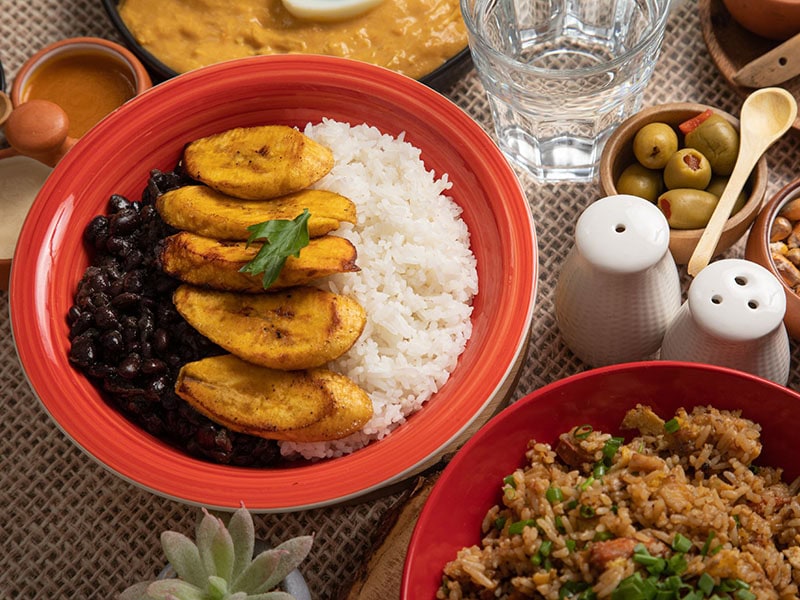
After spending a few days exploring Inca ruins, museums, and colonial churches, a Peruvian cooking class is a fun way to experience a completely different side of Cusco. Peru has one of the most interesting food cultures in South America, combining indigenous ingredients and traditions and turning them into amazing meals.
You may start off with visit to the market to purchase the ingredients before you actually start cooking, which is a great introduction into traditional Peruvian ingredients. Besides getting a very good meal out of the deal, a cooking class gives you a hands-on introduction to Peruvian culture and some recipes to recreate when you get home.
31. Photo with an Alpaca
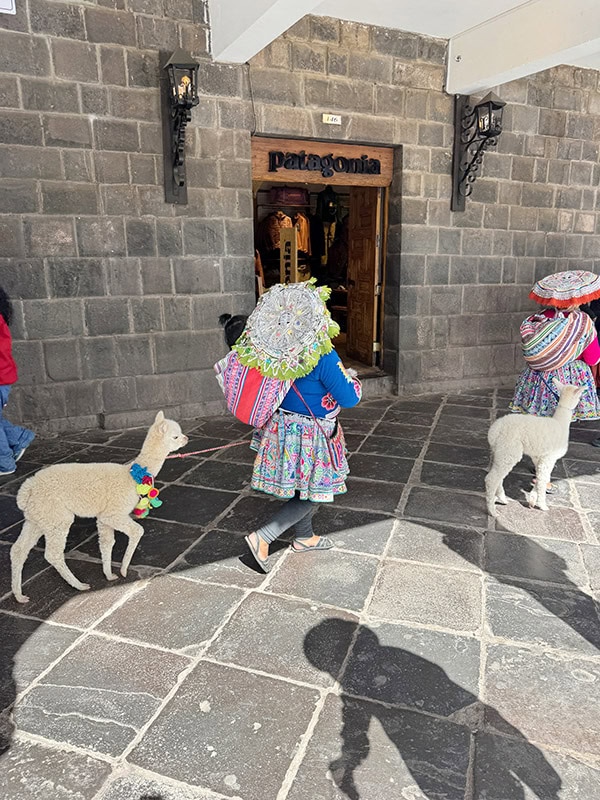
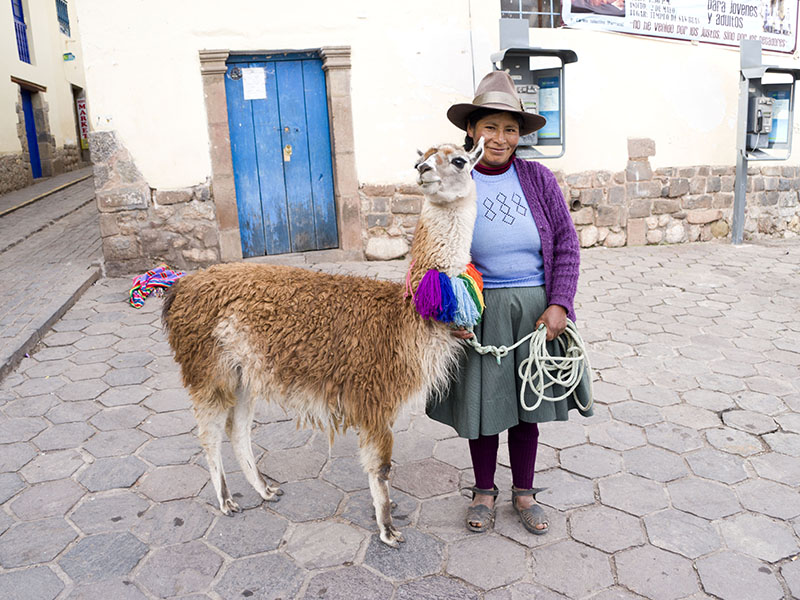
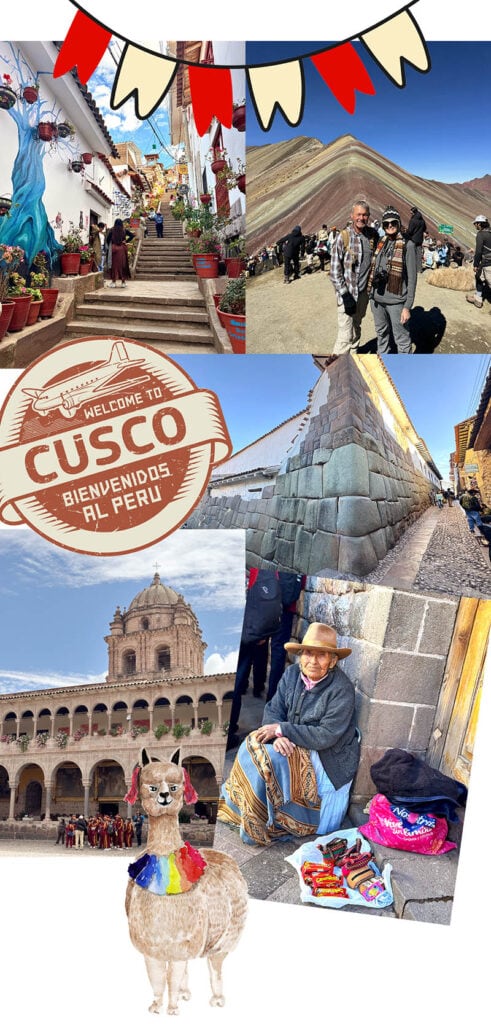
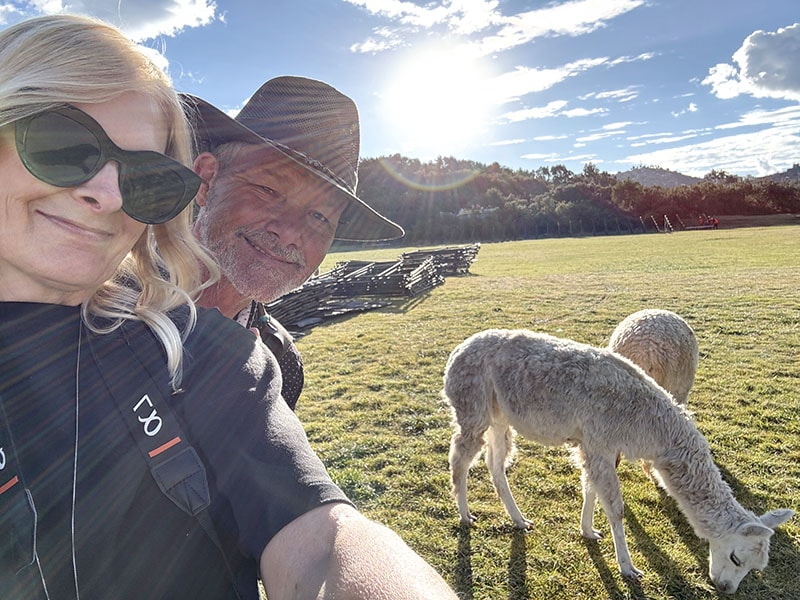
Rounding out our list of things to do in Cusco is getting a photo with an alpaca. You can’t leave Cusco without one! You’ll see them throughout the streets of Cusco, with their handlers of course. You’ll see baby alpacas and full size alpacas and they are all so adorable.